

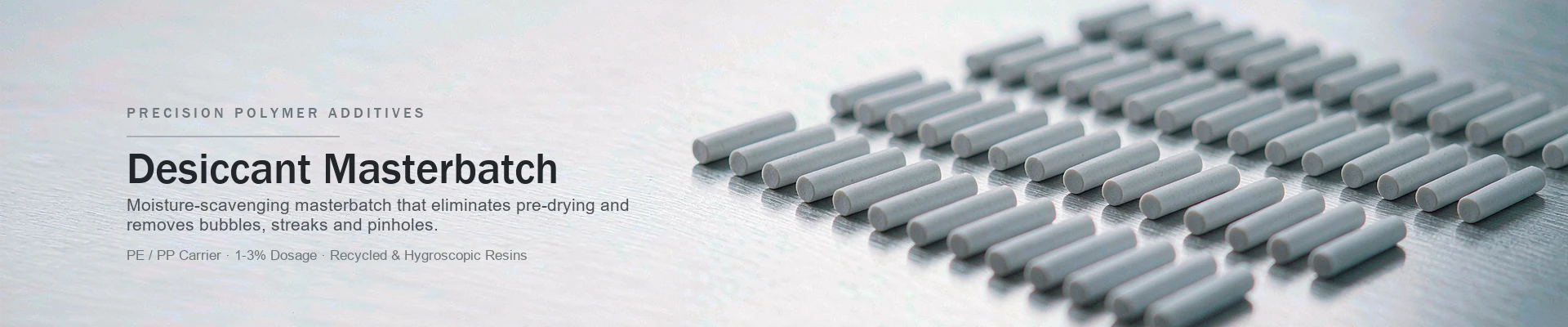

Jiande Xinyu Plastic Materials Co., Ltd. is one of the leading manufacturers and suppliers of pe filler masterbatch for injection molding in China. We have world-leading production equipment and strong manufacturing capabilities. Welcome to wholesale bulk custom made pe filler masterbatch for injection molding from our factory.
PRODUCT AND APPLICATIONS
Product Overview
PE Filler Masterbatch for Injection Molding uses a PE-compatible carrier direction to introduce a calcium carbonate mineral system into selected polyethylene injection-molding formulas. The effect of the masterbatch is shaped by PE grade, melt index, recycled ratio, part geometry, gate design, wall thickness, mold cooling and required part performance.
A useful grade supports stable feeding and plasticization while helping adjust stiffness, dimensional behavior and formulation economics. Final selection should be based on mold filling, cycle stability, part weight, surface condition, shrinkage, warpage and impact testing under the intended molding conditions.
Trade inquiries may use Plastic Bag Masterbatch, Filler Masterbatch For Injection Molding or Caco3 Masterbatch as broad product descriptions. The actual application must still be identified because film and injection molding require different flow, cooling and mechanical-performance priorities.
What the Product Helps the Molder Control
Flow and cavity filling | Stiffness and dimensional response | Surface consistency | Cycle stability | Cost per accepted molded part
Select the Grade Direction Around the Molded Part
PE Filler Masterbatch for Injection Molding covers several grade directions within PE injection molding. Part geometry, flow length, stiffness, impact and dimensional limits determine the first grade direction.
|
Grade Direction |
Typical Production Focus |
Main Balance to Confirm |
|
General household molding |
Routine PE household parts with established molds and moderate appearance requirements. |
Flow, stiffness, impact, cycle and cost per accepted part. |
|
Dimensional-control molding |
Parts with tighter flatness, fit, shrinkage or warpage requirements. |
Resin flow, gate position, packing, cooling and mineral direction. |
|
Toughness-balanced molding |
Parts that need additional rigidity without losing the required impact response. |
Wall thickness, weld lines, service temperature, impact method and demolding. |
|
Selected recycled PE molding |
Controlled regrind or recycled PE used in non-critical molded products. |
Feedstock identity, moisture, contamination, MFR variation and surface acceptance. |
Molding Challenges This Product Helps Address
PE Filler Masterbatch for Injection Molding is selected around the production result that the customer must control. A filler masterbatch for PE injection molding must work with the machine, mold and part design. The main question is whether the formula produces a stable, acceptable part throughout the molding cycle.
- Shrinkage and warpage: Polyolefin crystallization, uneven wall thickness, mold-temperature variation and directional flow can create non-uniform contraction.
- Cavity filling: Resin flow, masterbatch compatibility, shot size, injection speed, gate restriction and melt temperature influence complete filling.
- Surface appearance: Moisture, poor dispersion, contamination, excessive shear or mold deposits may appear as streaks, roughness, gloss variation or flow marks.
- Impact and brittleness: Stiffness changes must be reviewed against drop, impact or functional loading requirements for the actual molded part.
- Cycle consistency: Screw recovery, cushion, packing, cooling and demolding stability determine accepted output more directly than a single laboratory value.
- Regrind variation: Regrind source, particle size, contamination, thermal history and moisture can shift flow and part performance between batches.
Benefits for PE Injection Programs
PE Filler Masterbatch for Injection Molding supports a defined application and performance range when the grade, formula and line are coordinated. Its value is measured through repeatable cavity filling, accepted molded parts, stable cycle time and controlled rejects.
- PE-compatible formulation route: Supports selected LDPE, LLDPE, HDPE and recycled PE molding systems after resin and part requirements are defined.
- Stiffness adjustment: Provides a practical route to increase rigidity in suitable parts while impact and brittleness remain part of the approval test.
- Dimensional review: Helps structure trials around shrinkage, warpage and part geometry rather than judging the formula by pellet data alone.
- Repeatable dosing: Uniform pellets support controlled weighing, hopper blending and material delivery to the injection unit.
- Molding-window assessment: Links masterbatch selection with screw recovery, back pressure, injection speed, packing, cooling and demolding.
- Surface-quality focus: Encourages review of flow marks, gloss variation, streaks, deposits and visible mineral agglomerates.
- Part-level economics: Evaluates material cost together with cycle time, reject rate, part weight, regrind use and accepted output.
Product Performance Priorities
The practical value of the selected grade is confirmed in conditioned PE parts produced at routine cycle settings. The priorities below show what the formula must retain after filling, packing, cooling and demolding.
- Part weight and shot repeatability: Shows dosing, cushion and packing consistency.
- Dimensions and shrinkage: Shows contraction and whether critical tolerances remain stable.
- Warpage: Identifies non-uniform cooling, orientation or geometry-related deformation.
- Tensile properties: Provides strength and elongation information for formulation comparison.
- Flexural behavior: Quantifies flexural response rather than relying on hand feel.
- Impact response: Checks toughness and brittleness at the relevant condition.
- Surface and assembly: Confirms appearance, sink, weld lines, flash and assembly performance.
Applications
PE Filler Masterbatch for Injection Molding is positioned for the application categories below. The supplied grade is selected from PE flow, regrind condition, wall thickness, mold layout and required part function.
- PE HOUSEHOLD PRODUCTS
- BUCKETS AND GENERAL CONTAINERS
- CAPS AND GENERAL MOLDED PARTS
- RECYCLED PE INJECTION PRODUCTS
- NON-SAFETY-CRITICAL ACCESSORIES
FORMULATION AND PROCESSING
What This Product Changes in an Injection Formula
PE Filler Masterbatch for Injection Molding changes the interaction of polymer flow, mineral loading, additives and cooling. Each formula component has a different influence on filling, packing, surface appearance and final dimensions.
|
Formula Element |
Influence During Molding |
What to Check in the Part |
|
Primary PE |
Defines the main melt-flow, toughness, shrinkage and environmental response. |
Confirm grade, density, melt index and the required part function. |
|
Recycled PE or regrind |
Adds batch variation in flow, contamination, color and thermal history. |
Control source, ratio, particle condition and previous processing exposure. |
|
Injection filler masterbatch |
Introduces mineral and carrier, influencing viscosity, stiffness and volumetric shrinkage. |
Review dispersion, dose stability, surface, dimensions and impact response. |
|
Color system |
Changes visual appearance and can alter total masterbatch loading. |
Check shade, gloss, dispersion and interaction with the filler package. |
|
Impact modifier |
Supports toughness where the base formula or mineral direction increases brittleness risk. |
Confirm the impact method and service temperature for the finished part. |
|
Lubricant or process aid |
Influences flow, release, deposits and surface finish. |
Balance easy molding with paint, printing, bonding or assembly requirements. |
This product family, like any Filler Masterbatch For Injection Molding, is selected through material, machine, mold and part information. The fields below explain why two PE injection applications may require different masterbatch directions.
Where Molding Results Are Controlled
PE Filler Masterbatch for Injection Molding should be evaluated across the injection unit and mold, because screw condition, back pressure, shot preparation, gate design and cooling can change the same formula into very different parts.
- Material preparation: Consistent weighing, blending and hopper loading reduce dose variation and color or filler segregation.
- Screw and barrel: Screw geometry, wear, recovery speed and residence time influence melting, mixing and thermal history.
- Back pressure: Moderate back pressure can improve mixing and air removal, while excessive shear may raise melt temperature or degrade the polymer.
- Injection and transfer: Injection speed, peak pressure and velocity-to-pressure transfer affect filling, weld lines and molded-in stress.
- Packing and cushion: Packing pressure, time and a repeatable cushion help compensate volume contraction while the gate remains effective.
- Mold cooling: Balanced coolant flow and consistent mold temperature limit differential shrinkage between thick and thin regions.
- Demolding and handling: Ejection timing, draft, ejector layout and hot-part handling can create deformation after the cavity opens.
Molding Signals to Record
|
Molding Stage |
Evidence to Record |
What the Customer Learns |
|
Shot preparation |
Recovery time, back pressure, dose and melt consistency |
Whether the material is plasticized repeatably |
|
Cavity filling |
Injection time, peak pressure, short shot and weld lines |
Whether flow is adequate for the mold |
|
Packing and cooling |
Cushion, part weight, sink, cycle and mold balance |
Whether dimensions can be controlled |
|
Part inspection |
Surface, dimensions, warpage, impact and stiffness |
Whether the molded part meets its function |
Common Molding Issues and First Checks
Review PE Filler Masterbatch for Injection Molding at the stage where the symptom first becomes measurable. Injection defects can originate from the resin, masterbatch, material preparation, machine, mold or part design. The first checks should identify which part of the system changed before the formula is adjusted.
- Short shot or hesitation: Flow mismatch, low melt temperature, restricted gate, trapped air or insufficient pressure. Check: Review fill pattern, injection time, pressure limit, vents and melt condition.
- Warpage after ejection: Uneven walls, differential cooling, flow orientation, packing imbalance or hot handling. Check: Measure mold temperature, cooling balance and deformation after conditioning.
- Sink or voids: Thick sections, insufficient packing, early gate freeze, moisture or trapped gas. Check: Check part weight versus holding time, gate condition and section thickness.
- Silver or mineral streaks: Moisture, poor blending, contamination, air entrapment or dispersion. Check: Inspect raw materials, hopper exposure, purge result and streak direction.
TRIAL, TESTING AND GRADE APPROVAL
How to Select and Approve the Injection Grade
Evaluation of PE Filler Masterbatch for Injection Molding should show whether the selected grade produces a stable molding cycle and an acceptable PE part. A controlled comparison is more useful than changing resin, masterbatch and machine settings at the same time.
Information You Provide
- Share the PE grade, regrind ratio, part drawing, mold information, current formula and critical dimensions or functions.
- Provide the PE and regrind formula, molding window, shot and cushion record, current defects and an accepted part where available.
- Define the critical dimensions, appearance, impact, assembly and cost-per-accepted-part criteria before the trial starts.
What We Assess and Recommend
- We identify the required balance among cavity filling, stiffness, shrinkage, impact, surface and cycle time.
- We match the grade direction to the PE flow, regrind condition, mold geometry and critical part features.
- We review the molding record and conditioned-part checks before recommending a production formula.
What You Confirm on Your Line
- Establish the present cycle as the baseline, including part weight, recovery time, pressures, cushion, reject reasons and test results.
- Run the trial with stable material preparation and record filling, packing, cooling, demolding and surface behavior.
- Approve the formulation only after conditioned parts meet dimensional, appearance, impact and assembly requirements at routine cycle settings.
Molded-Part Checks
- Part weight and shot repeatability: Cycle-by-cycle weight record. Shows dosing, cushion and packing consistency.
- Dimensions and shrinkage: Drawing dimensions and an agreed standard method where applicable. Shows contraction and whether critical tolerances remain stable.
- Warpage: Flatness, fixture or coordinate measurement. Identifies non-uniform cooling, orientation or geometry-related deformation.
- Tensile properties: an agreed standard method on suitable specimens. Provides strength and elongation information for formulation comparison.
HOW WE CONTROL PRODUCT QUALITY
We control PE Filler Masterbatch for Injection Molding through incoming inspection, production records, finished-batch release, equipment management and batch traceability. These controls support incoming inspection of the PE injection-grade and any later quality follow-up.
- Incoming material inspection: We inspect and release applicable PE carrier materials, mineral components, processing aids and packaging before use.
- In-process control: We record key controls during weighing, mixing, extrusion, filtration, pelletizing and packaging.
- Finished batch inspection: We release each batch against grade-specific checks for pellet appearance and consistency, moisture, flow direction, mineral level and selected molding checks, as applicable.
- Production equipment management: We maintain feeders, mixers, extrusion, pelletizing and packing equipment and verify its operating condition.
- Inspection equipment management: We calibrate or verify balances, flow-testing, moisture-testing and other inspection devices on controlled schedules.
- Batch identification and traceability: We link each PE injection-grade batch with incoming materials, production, inspection, packaging and shipment records.
STORAGE, RESPONSIBLE USE AND FAQ
Handling And Storage
Keep the Material Ready for Stable Dosing
Store bags sealed in a clean, dry and ventilated area. Protect pellets from water, condensation, dust and cross-contamination. Reseal opened bags, clean the hopper and conveying path, and avoid prolonged residence in a hot barrel during stoppages.
Responsible Use
Part Qualification
Final suitability is confirmed in the intended PE resin, mold and production cycle. Structural, load-bearing, automotive, electrical, safety-related and regulated molded parts require grade-specific evidence and formal application approval.
Product FAQ
Q1. What information is needed to select this product family?
Provide the PE grade and melt index, regrind ratio, part drawing, wall thickness, mold and gate information, current cycle, main defect and required mechanical or dimensional checks.
Q2. Can this masterbatch improve stiffness?
It can support stiffness adjustment in suitable PE molded parts, but impact, hinge behavior, assembly and service conditions should be checked on the finished part.
Q3. How can it affect shrinkage and warpage?
Mineral content, resin crystallization, flow orientation, packing and cooling all influence dimensions. The trial should compare conditioned parts from stable molding cycles.
Q4. Does a higher-flow Caco3 Masterbatch always fill better?
No. Flow data helps selection, but screw mixing, gate restriction, air venting, wall thickness and thermal history also affect cavity filling and part quality.
Q5. Can regrind be used in the trial?
Yes, when the regrind source, particle condition, contamination and ratio are controlled and represent routine production.
Q6. Why can a Plastic Bag Masterbatch not be assumed suitable for injection?
Plastic Bag Masterbatch is designed around film extrusion conditions. An injection grade requires compatible carrier flow, stable cavity filling and finished-part performance, so film approval cannot be transferred directly to molding.
Q7. How is a Filler Masterbatch For Injection Molding approved?
Compare the baseline and trial under the same mold, cycle and conditioning, then review part weight, surface, dimensions, warpage, impact and reject rate.
Q8. Can it be used in safety-critical molded parts?
Only after the exact grade, part function, test plan, compliance requirements and approval evidence have been established.
Discuss Your PE Part and Molding Cycle
Share the PE grade, regrind ratio, drawing, wall thickness, mold, current cycle, main defect and required part checks. We will use this information to identify the relevant injection grade direction.
Hot Tags: pe filler masterbatch for injection molding, China pe filler masterbatch for injection molding manufacturers, suppliers, factory